


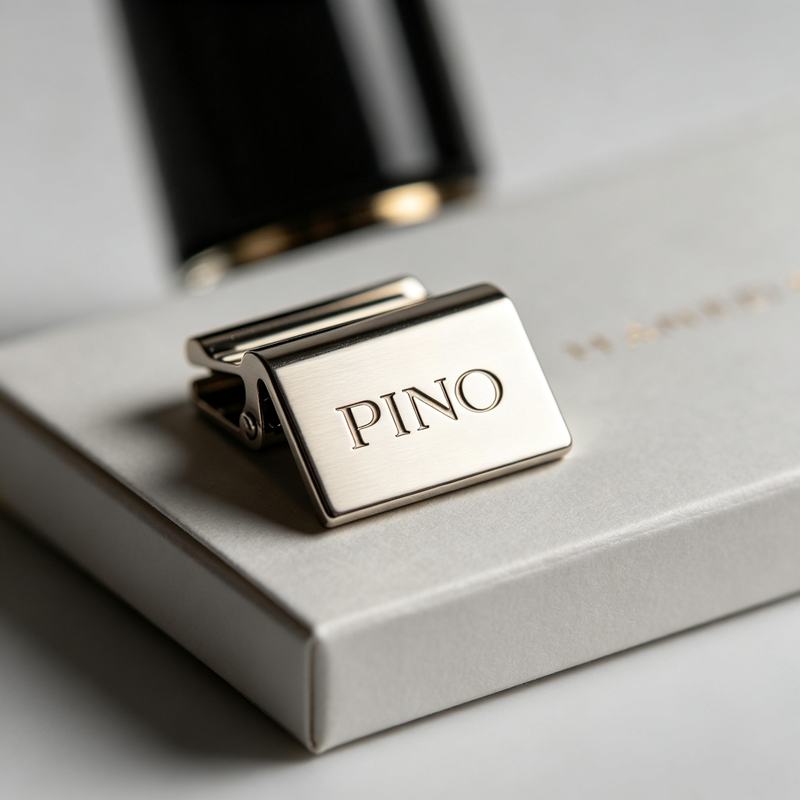
Creative brand story: this fictional marketing concept illustrates a possible brand direction. It is not a factual company history or a statement of existing operations, certifications or product performance.
PINO: Creative writing partners in Mexican stationery culture
Mexico, a vibrant and colourful country, has a long cultural tradition and an enthusiastic lifestyle. From the art neighborhood of Mexico City to the handicraft market in Guadalajara, Mexicans express their love for life with colour and creativity. It is in this culture of creativity and enthusiasm that the PINO brand was created, using the concept of "Creative Writing, Color Life" as a brand that fully integrated Mexico's unique cultural colours with the design of stationery into its popular brand representation in the field of local Mexican stationery. PINO, a simple and creative name in Spanish, which refers both to "punto" (symbol of nature and pristineness) and to the acronym "Punto" (point) and "Innovación" (innovation), symbolizes that branding is designed with natural simplicity and an ever-innovative spirit, bringing colorful and innovative textual specificity to every author.
Brand Inspiration: from the stationery store in Mexico City to creative branding
The story of PINO began at a traditional stationery shop in the central part of Mexico City's history. The family of the founders, who run a stationery store in Mexico for two generations, grew up in paper and pen ink from an early age and knew well how much Mexicans loved and needed it. He found that Mexico's stationery market was dominated by international brands, which were of good quality but expensive and designed in a more Euro-American style, lacking indigenous Mexican cultural characteristics. He began to wonder: Why can't there be a home-grown stationery brand that incorporates Mexican cultural colours and creative designs into its products, allowing Mexicans to write and create in their own way?
As a result, the PINO brand was created with the intention of using Mexican culture as an inspiration to provide indigenous consumers with creative and colourful stationery products. In Mexico City, the brand has set up a design centre to work with the National Autonomous University of Mexico (UNAM) School of Design and the Mexican Crafts Development Association to study in depth the integration between traditional Mexican art and modern designs — from the colour mix of folk art in Mexico to the graphic design of traditional crafts, from geometrical patterns of Mayan civilization to symbols of Aztec, where each product is inspired by its deep cultural background.
Product Philosophy: Colour-based creative, practical
PINO's product line covers a wide range of products such as pentips, paper, posters, pencils, illustrations, bookheads, boardboards, rubber sludge, printed materials, pencils, diary books, tape, stationery, print editions, sketchbooks, brochures, waxes, drawings and so on. The brand believes that good stationery is not just practical, but also creative and aesthetic. It inspires people to write and create.
PINO's star product, the Paper and Notebook series, is the most representative work of the brand. Unlike the plain white paper that is common on the market, PINO's paper series integrates the unique colour and texture designs of Mexico. The print and journal cover of the brand uses the colours and traditions of Mexican folk art, including embroidery-style flowers, geometry of pottery styles, paper cutting decorations, etc. The interior paper uses high-quality pulp, a smooth flow of writing ink and suitable for various writing tools such as pens, pencils and marks. The branded journal series also specifically designed bilingual pages in Spanish and English for user-friendly use in different languages.
In the area of writing tools, PINO also displays the unique charisma of Mexican creative design. The branded pencils and pen-tip series, which are produced with high quality materials, flow and comfort in writing, have been designed to incorporate traditional Mexican elements, including the geometry of the Mayan pyramid and the symbols of the Aztec Sun. PINO’s pen series is not only functional, but also a small decorative piece. The various types of pencils include Mexican straw caps, cactus, Maya masks and so on, making ordinary pens full of personality.
In the area of office stationery, PINO's product line is equally rich and innovative. The brand's syllable and stationery collection series, which are designed in a Mexican style, can be both practical and decorative for the desktop. The brand's series of tape and decorative stickers incorporate the patterns and colours of traditional Mexican art, whether it is used to decorate notebooks or handbooks, making ordinary paper full of Mexican style. The print and poster series of PINO, which focuses on culture and the arts in Mexico, includes works by famous Mexican painters, thematic illustrations of traditional festivals, urban landscapes, etc., are a good option for decorating homes and offices.
PINO's rubber mud and manual material series, designed especially for children and creative lovers, are colourful and safe from poison and stimulate the creativity and ability of children to do their work. The branded wax and graphic paper series provide a ceremonial writing experience for users who like hand-written correspondence and retrospect. PINO believes that stationery is not just a writing tool, but an important partner in expressing oneself, documenting life and stimulating creativity.
Quality Vision: Mexican-made, reliable
PINO's pursuit of quality has always been based on practicality and reliability. The brands set up in the state of Mexico a stationary production plant that meets Mexican industrial standards, all of which are certified by the Mexican Industrial Standards Authority (NOM), the European Union's CE certification and the ISO 9001 quality management system. Brands are purchased from raw materials to finished products, and every link is controlled by strict quality — paper must use sustainable forest certified pulp, writing tools must undergo fluidity and durability tests, and hand-held material must be tested safely for non-toxic purposes.
The brand also places special emphasis on supporting indigenous crafts and cultural heritage in Mexico. PINO has established cooperative relationships with various crafts cooperatives in Mexico to integrate traditional handicraft elements into the design of stationery while providing a stable source of income for artisans. The brand also regularly organizes creative workshops and design exhibitions throughout Mexico to promote indigenous design cultures and stimulate young people's creativity.
Market Vision: Creative stationery partners from Mexico to Latin America
As Mexico’s home-grown brand of stationery, PINO’s vision is to become the leading Latin American brand of creative stationery that brings Mexican creativity and colour to more people. At present, PINO has been sold in stationery and bookstores in major cities such as Mexico City, Guadalajara and Monterrey, and has covered the national market through various major Mexican electrician platforms. Brands are also exported to other Latin American countries, such as Colombia, Peru and Argentina.
For the future, PINO plans to further expand its product lines and develop creative stationery that incorporate more elements of Mexican culture, including digital handwritten tools, creative gift kits, children's stationery series, etc. The brand also plans to enter the Chinese market and bring the unique Mexican culture of creative stationery to Chinese consumers. As the demand for personalization and creative stationery grows, PINO believes that a unique cultural brand of stationery will lead to greater opportunities for development, while PINO will always focus on "Creative Writing, Color Life" to accompany every writer and document life well in colour and creativity.
PINO is not just a brand of stationery, but also a distributor of Mexican creative culture. With a Mexican notebook and a unique design writing tool, it accompanied each author's creative journey by telling about the creative writing legend from Mexico.

 SoldSOLD

